Carbon Monoxide Safety
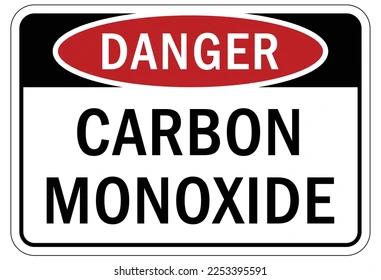
November is Carbon Monoxide Awareness Month. It is a silent killer, and it is extremely important to know how to protect your household from it. Working carbon monoxide detectors save the lives of families and pets in homes. Let's talk about how to how to prevent any carbon monoxide dangers in your home.
Carbon monoxide is a colorless, odorless gas, created when carbon conatining fuels such as gasoline, wood, coal, natural gas, propane, oil, and methane burn incompletely. Cooking and heating equipement are potential sources for carbon monoxide, as well as generators and vehicles running in an attached garage can also produce dangerous amounts of carbon monoxide.
Let's talk about some very important CO (carbon monoxide) safety tips and recommendations
- If the CO alarm sounds, immediately move to a location with fresh air, outdoors or by an open window or door. Make sure everyone inside the home is accounted for, do not forget your pets as well! Call for help from a fresh air location and stay there until emergency personnel arrive to help.
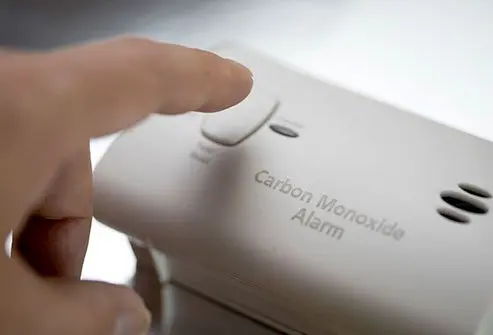
- CO alarms should be installed in a central location outside each sleeping area and on every level of the home and in other locations where required by laws, codes or standards. For the best protection, interconnect all CO alarms throughout the home. That way when one sounds, they all sound.
- Test CO alarms at least once a month, and replace them according to the manufacturer’s instructions
- If you need to warm up a vehicle, remove it from the garage immediately after starting it. Do not run a vehicle or other fueled engine or motor indoors, even if garage doors are open. Make sure the exhaust pipe of a running vehicle is not covered with snow.
- During and after a snowstorm, make sure the vents for your dryer, furnace, stove, and fireplace are clear of snow build-up.
It is important to recognize the signs and symptoms of carbon monoxide poisoning.
- CO poisoning can be confused with many flu like symptoms, food poisoning and other illnesses. Some symptoms include shortness of breath, nausea, dizziness, light headedness or headaches. High levels of CO can be fatal, and can cause death within minutes
- The dangers of exposure to CO can depend on many variables, infants, pregnant women, and people with physical conditions that limit their body's ability to use oxygen (i.e. emphysema, asthma, heart disease) can be more severely affected by lower concentrations of CO than healthy adults would be.
- A person can be poisoned by a larger amount of CO over a shorter period of time, or by a smaller amount over a longer period of time.
Accodring to NFPA research and studies:
- In 2023, the National Fire Incident Reporting System data included 82,245 CO incidents which required a local fire department response.
- A 2023 study by the U.S. Centers for Disease Control found unintentional non–fire-related CO poisoning between 2005 and 2018 to be annually responsible for approximately 101,847 emergency department visits (48.3 visits per 1 million), 14,365 hospitalizations (4.1 cases per 1 million), and at least 430 deaths.
Carbon monoxide is the silent killer. You can't see it, smell it, or taste it. The only way to detect this deadly gas is with working carbon monoxide detectors. With the colder weather the risk of carbon monoxide poisoning gets higher. Do not wait unil it is too late, check your CO detectors in your home!
If you have any questions or concerns regarding carbon monoxide safety or detectors, contact the Marion Fire Department.
For more information, graphics, and videos on carbon monoxide safety and awareness, visit the NFPA's website below.